Sponsored article
What Properties Should Industrial Heavy-Duty Mats Have?
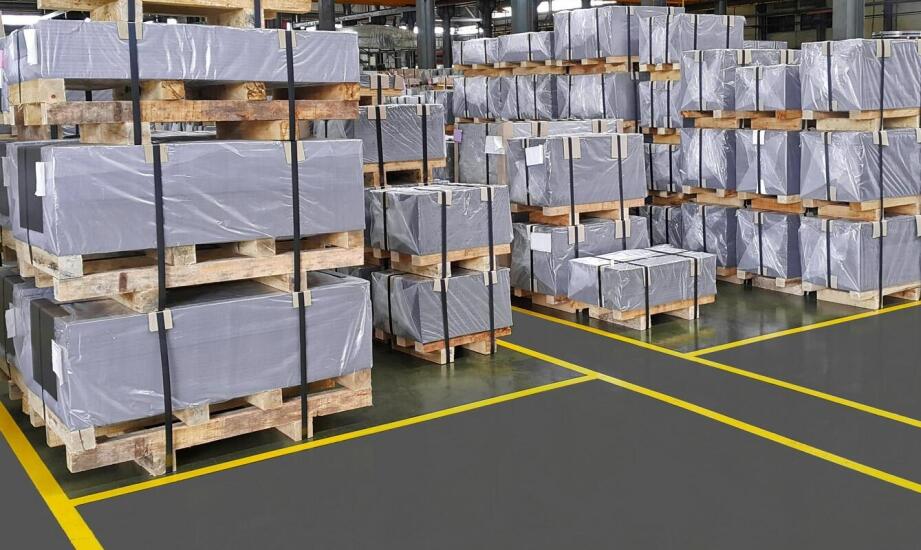
In an industrial environment, the floor works as hard as the machines and people. Professional heavy-duty entrance mats are the first component of floor protection systems, safety, and maintenance costs. Their technical specifications must meet real operational loads and safety standards.
Read more: Personalising doormats – how to tailor them to the character of a commercial space?
What technical parameters determine the durability of industrial mats?
In production and logistics facilities, high resistance to abrasion and mechanical damage is crucial. Heavy-duty entrance mats should be made from durable fibers like polypropylene, which effectively trap sand, mud, and moisture. A design based on non-memory NBR foam provides stability and protects the floor from water penetration. It's essential to have resistance to discoloration and cleaning agents, as well as maintaining parameters in high pedestrian and transport traffic conditions. Rigorous anti-slip tests in dry and wet environments confirm user safety.
Why do entrance mats play a strategic role in industrial plants?
The entrance area is the first line of contamination control. Entrance mats offered by Unimat Factory, with a ribbed, brush-like structure, create multiple contact points with soles, effectively removing solid particles and excess moisture. The appropriate thickness allows adjustment to technical recesses without tripping risk and without interference with automatic doors. An anti-slip backing reduces the risk of falls, and compatibility with various flooring types, from industrial concrete to natural stone, ensures universal application. The result is reduced cleaning costs and extended floor life.
How do maintenance and compliance with standards affect operational efficiency?
In industry, durability matters as much as ease of maintenance. Regular vacuuming and periodic cleaning restore absorbent and cleaning properties, preventing fiber degradation. Meeting fire safety and anti-slip standards is mandatory in high-risk areas. Additionally, low-profile mats do not obstruct transport carts or mobility aid devices. Such a design translates into operational stability and risk control across the facility.
What conclusions can be drawn from analyzing the properties of heavy-duty mats?
An effective industrial mat should combine mechanical resistance, anti-slip properties, high absorbency, and compatibility with the facility's infrastructure. Proper height and construction adjustment to the entrance area are then important. The subsequent step is systematic maintenance and safety standards verification. Such a solution effectively enhances hygiene, safety, and operational economics in an industrial environment.
You might be interested

Door-to-door transport from Europe to Russia – how does this service work?

Functionality and Aesthetics – The Perfect Combination in Ceramic Mugs

Personalising doormats – how to tailor them to the character of a commercial space?
